|
|
|
| Caribbean Islands Travel Guide |
|
|
|
Welcome to our Caribbean travel guide on the ParadiseIslands website. Our West Indies travel guide covers many of the Leeward and Windward isles including the British and US Virgin Isle chains, the popular vacation destinations of Antigua, Barbados and Saint Lucia as well as some of the lesser known holiday destinations such as Tobago, Grenada and Saint Vincent and the Grenadines. We hope you enjoy browsing the thousands of tropical photographs, maps and useful information about the many and varied destinations.
|
|
|
|
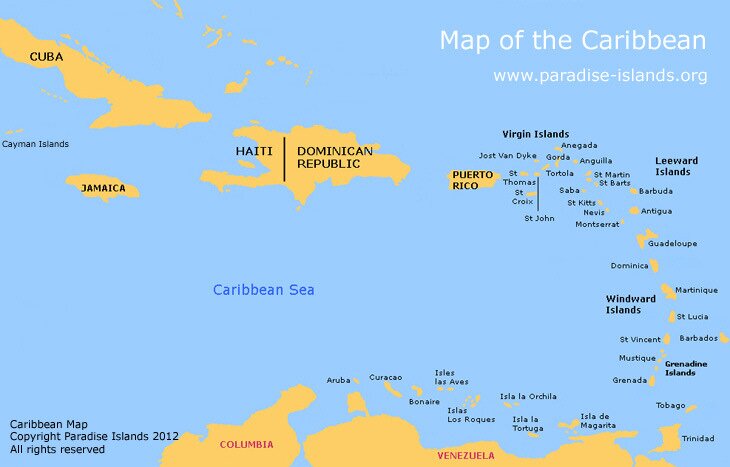
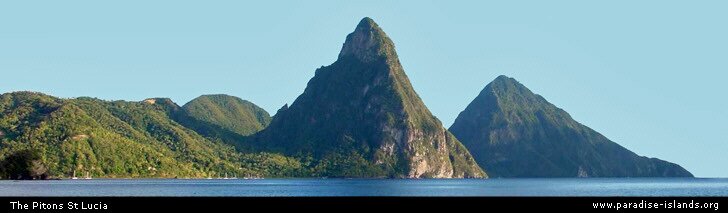
The Leeward and Windward isles are situated in the Caribbean Sea in a line of fragmented land masses called the Lesser Antilles. Many of the Caribbean islands are volcanic and a few are flat coral structures (notably Barbados and the "ABC" isles of the Leeward Antilles). The most active volcano in recent times is the Soufriere Hills Montserrat Volcano. Also active is the Sulphur Springs in St Lucia which is also the only "drive in" volcano in the world. Dormant or extinct volcanoes include the famous twin peaks of The Pitons.
The whole Caribbean Sea / West Indies region encompasses some 5,000 plus land masses, reefs and cays. The section above of the guide focuses on the Greater and Lesser Antilles region of the West Indies from the Cuba in the north west to Trinidad in the south.
Surprisingly much of the West Indies are covered in lush tropical rainforests. Large areas of rain forest can be found in Saint Lucia, Dominica and the El Yunque National Forest in the Sierra de Luquillo mountains on Puerto Rico.
|
|
|
|
The West Indies were first discovered by Christopher Columbus in 1492 whilst looking for an alternative route to travel to India. In fact Columbus thought he had succeeded, hence the name "West Indies".
The region's name "Caribbean" is derived from the Carib Indians who were present in large numbers in the region during the first European contact in the 15th Century. "Antilles" is derived from the Spanish term Antillas and indeed the Spanish were the first Europeans to dominate the region.
|

|
|
The Leeward isles are so named due to the prevailing winds blowing north and they consist of Anguilla, Antigua and Barbuda, the British and United States Virgin Isles, Dominica, Guadeloupe, Montserrat, Saint Kitts and Nevis, Saba, Saint Martin and Saint Barts.
The Windward isles are so named due to being on the windier and wetter side of the Lesser Antilles and consist of Martinique, Saint Lucia, Barbados, Saint Vincent and the Grenadines, Grenada Trinidad and Tobago.
Together the Leeward's and Windward's make up the group of Caribbean islands known as the Lesser Antilles archipelago.
The Greater Antilles archipelago includes Puerto Rico, the Dominican Republic and Haiti (which jointly share the isle of "Hispaniola"), Jamaica, Cuba and the three Cayman Isles.
The Leeward Antilles are located in the far south of the region just above Venezuela. They are divided into two groups; the Dutch "ABC" group of Aruba, Bonaire and Curacao (they also used to be known as the Netherland Antilles until 2010); and the Venezuelan group of Las Aves, Los Roques, Orchila, Tortuga and Magarita.
|
|
|
|
|
Today the West Indies is one of the World's most popular tourist destinations with a huge demand within the cruise industry with first class cruise ports. The region is home to the largest fleet of cruise ships with popular departure ports of Miami, San Juan and Bridgetown. Governments have been competing to build facilities which can cater for the every growing number (and size) of cruise ships. The ports most likely to be on your itinerary are Castries (St Lucia), Philipsburg (Sint Maarten), Willemstad (Curacao) and Charlotte Amalie (Saint Thomas). The latter has more ships docking than anywhere in the West Indies.
The region enjoys high temperatures all year and attracts large numbers of people seeking a holiday or vacation on an idyllic tropical paradise. Package holidays are popular in the winter and some of the more well known areas are the West Coast of Barbados, Punta Cana (Dominican Republic), Jolly Beach (Antigua) and Rodney Bay (St Lucia).
|
|

|
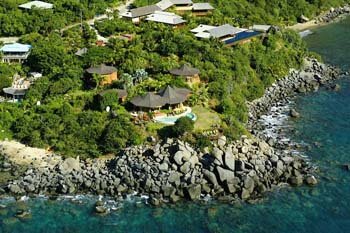
| The Caribbean is blessed with many spectacular natural wonders including the fabulous views over Nelson's Dockyard and English Harbour afforded from the Shirley Heights lookout point (Antigua); the uniquely beautiful geological rock formations of The Baths (Virgin Gorda, BVI); to many of the the world's famous and iconic beaches such as Marigot Bay (Saint Lucia); Trunk Bay (St John, USVI) and Cane Garden Bay (Tortola, BVI). |
| All text and images are copyright Paradise Islands org. All Caribbean travel guide photographs on this website are obtained with the permission of the owners and come from various sources including local tourist boards. Some of our own travel photos maybe reproduced with permission - please see notes attached to each image to avoid any copyright penalty. |
|
|
|
|
|
|
Antigua
|
|
|
|
Virgin Isles
|
|
|
|
Barbados
|
|

|
|
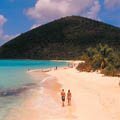
Saint Lucia
|
|
|
|
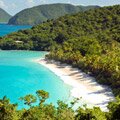
BVI
|
|
|
|
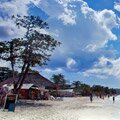
USVI
|
|
|
|
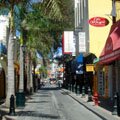
Jamaica
|
|
|
|
Sint Maarten
|
|
|
|
Puerto Rico
|
|
|
|
Tortola
|
|

|
|
Grenadines
|
|
|
|
Virgin Gorda
|
|
|
|
Cuba
|
|
|
|
Cayman Isles
|
|
|
|
Dominican Republic
|
|
|
|
Cruise Port Guide
|
|
|
|
|
Marco Island
Villa Rental
|
|
|